 Inside the Canvas
Painting techniques / Glazing
Glazing
Glazing means painting a thin, see-through layer of colour over a dry layer below, so the light passes through and the colours glow from within.
How glazing works
A glaze is a small amount of transparent paint thinned with an oil or glazing medium. Light travels through it, bounces off the layer underneath and comes back tinted. The two colours mix in your eye rather than on the palette, which gives a depth and richness that mixed paint cannot match.
Step by step
- Paint the picture first in solid, often lighter or greyer colours (the underpainting) and let it dry completely.
- Mix a transparent colour with medium until it is thin and runny.
- Brush it on in a very thin, even film; wipe back any excess with a soft cloth.
- Let each glaze dry before adding the next. Many old paintings have several glazes stacked on top of each other.
Who used glazing
Early Netherlandish painters such as Jan van Eyck built their jewel-like colours from many oil glazes in the 1400s. In Venice, Titian used glazes to make flesh and fabrics glow. Vermeer laid glazes of costly ultramarine blue over his underlayers, which is part of why his blues still look so deep.
Fat over lean
In oil painting, each upper layer should contain a little more oil than the one below it ("fat over lean"). Glazes are oil-rich, so they belong near the top. Breaking the rule can make paint crack as it ages.
See it in our collection
 Girl with a Pearl EarringJohannes Vermeer, 1665
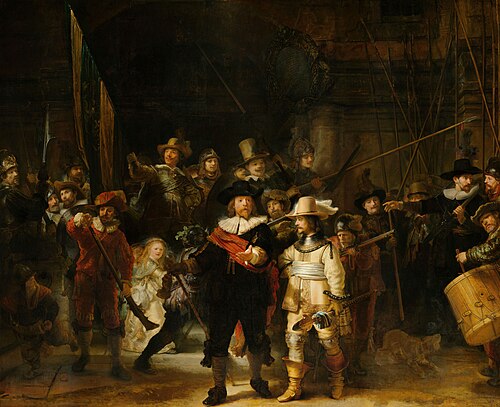 The Night WatchRembrandt, 1642
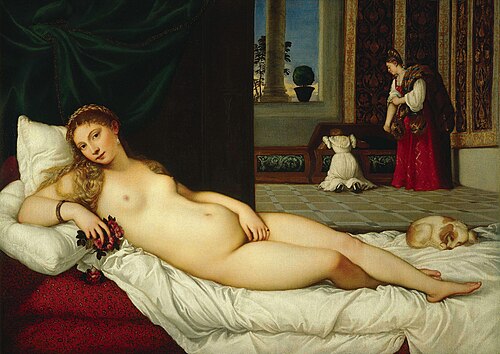 Venus of UrbinoTitian, 1538
 Ghent AltarpieceHubert and Jan van Eyck, 1432
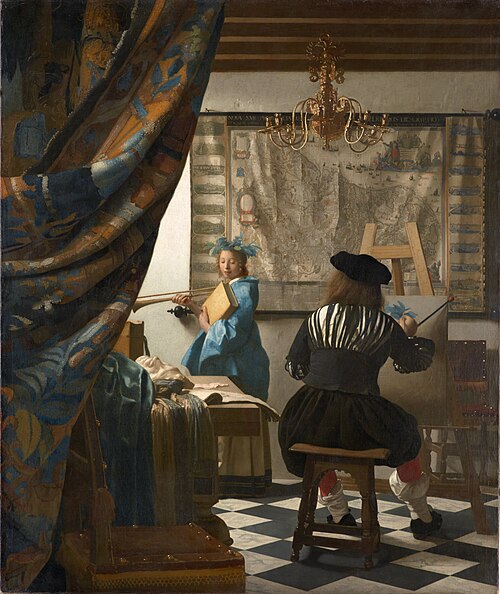 The Art of PaintingJohannes Vermeer, 1667
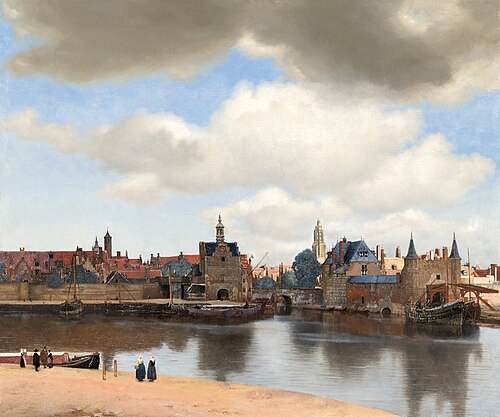 View of DelftJohannes Vermeer, 1661
More painting techniques
Glazing
What is glazing in painting?
Glazing is applying a thin, transparent layer of paint over a dry layer, so the colours combine optically and look luminous.
What is the difference between glazing and scumbling?
A glaze is a thin, transparent and usually darker layer. A scumble is a thin, broken, usually lighter and more opaque layer dragged over the surface.
Can you glaze with acrylic paint?
Yes. Mix the acrylic with a glazing or gloss medium. It dries in minutes, so you can stack many glazes in one session.
Which painters are famous for glazing?
Jan van Eyck, Titian, Vermeer and Rembrandt all relied on glazing for rich, glowing colour.