Inside the Canvas
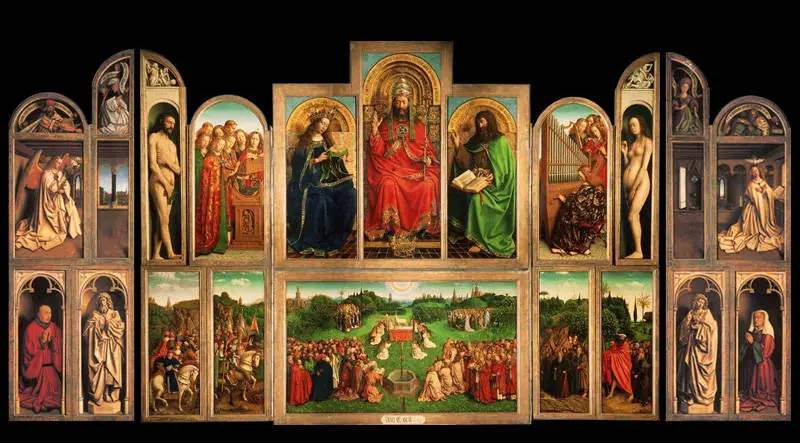
Tip: move over the painting to use the lens.
Ghent Altarpiece
Hubert and Jan van Eyck · 1432
A painting so vast, it's like staring into a dream.
- Artist
- Hubert van Eyck
- Date
- 1432
- Where to see it
- St Bavo's Cathedral, Ghent
St Bavo's Cathedral, Ghent · Public domain · image via Wikimedia Commons · see it at the museum ↗
Updated 13 October 2026 · how we write
The story
Imagine a massive work of art, created over a decade, that's a blend of intricate details and bold storytelling. The Ghent Altarpiece is a masterpiece that tells a story of devotion and wonder.
In 1432, this extraordinary polyptych was completed, and it's been mesmerizing art lovers ever since. It's a testament to the innovative skills of the van Eyck brothers, who pushed the boundaries of artistry.
The artwork is a window into the past, showcasing the transition from medieval to Renaissance art. It's a window that's been open for centuries, inviting us to step inside and explore.
Our perspective
Our own reading of the picture - an opinion, not a fact.
As you stand before this magnificent piece, you can't help but feel a sense of awe. It's as if the artwork is a mirror, reflecting our own spiritual journeys and the mysteries of life.
Perhaps it's the way the light dances across the figures, or the way the colors seem to pulse with a life of their own. Whatever it is, the Ghent Altarpiece has a way of stopping time and making us reflect on what truly matters.
Slow Look
- The central scene first Notice the majestic lamb at the heart of the piece, surrounded by a halo of golden light.
- The figures in the background See how the artists have woven together stories of saints and angels, creating a tapestry of devotion.
- The intricate details Get lost in the minuscule details, like the delicate folds of the saints' robes or the wisps of smoke curling from the incense burners.
- The colors, especially the blues Feel the coolness of the blues, which seem to calm the senses and invite contemplation.
- The edges of the panels Notice how the edges of the panels seem to fade away, blurring the lines between reality and the world of the painting.
About Hubert van Eyck
Hubert van Eyck was an Early Netherlandish painter and older brother of the renowned Jan van Eyck, as well as Lambert and Margareta, also painters. The absence of any single work that he can clearly be said to have completed continues to make an assessment of his achievement highly uncertain, although for centuries he had the reputation of being an outstanding founding artist of Early Netherlandish painting.
Text adapted from Wikipedia, Hubert van Eyck, licensed CC BY-SA 4.0.
Questions about Ghent Altarpiece
What should I know about Ghent Altarpiece?
Imagine a massive work of art, created over a decade, that's a blend of intricate details and bold storytelling. The Ghent Altarpiece is a masterpiece that tells a story of devotion and wonder.
Who is the artist of Ghent Altarpiece?
The artist of Ghent Altarpiece is Hubert and Jan van Eyck.
When was Ghent Altarpiece painted?
Ghent Altarpiece is dated 1432.
Which museum has Ghent Altarpiece?
It is in the collection of St Bavo's Cathedral, Ghent.
Do ghent altarpiece utilize polyptych?
The Ghent Altarpiece is a polyptych.
Keep reading
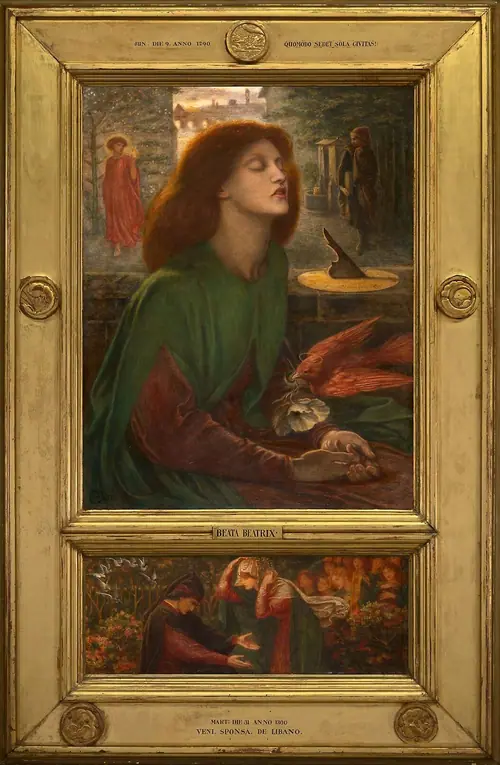
- Beata Beatrix Dante Gabriel RossettiShared themes: contemplative, dreamy, spiritual
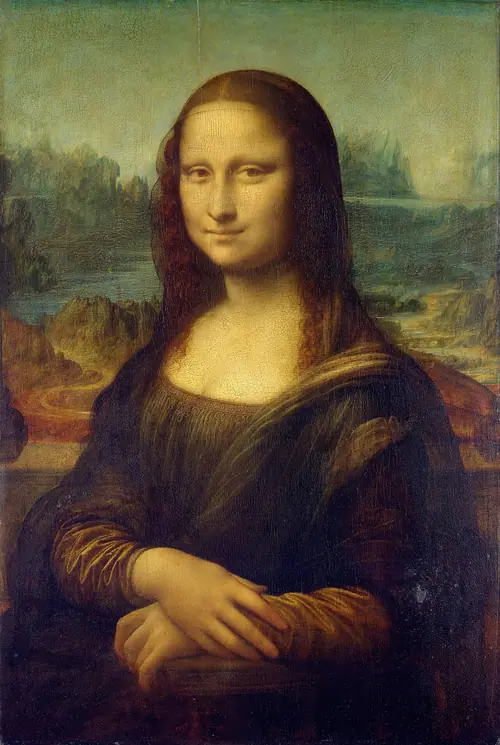
- Mona Lisa Leonardo da VinciShared themes: contemplative, renaissance
- Girl with a Pearl Earring Johannes VermeerShared themes: contemplative, dreamy
What do you see?
Stand in front of it for a moment. Then tell us what you noticed or felt - there are no wrong answers.
Be the first to share a thought.
If you like this, stand in front of these