Inside the Canvas
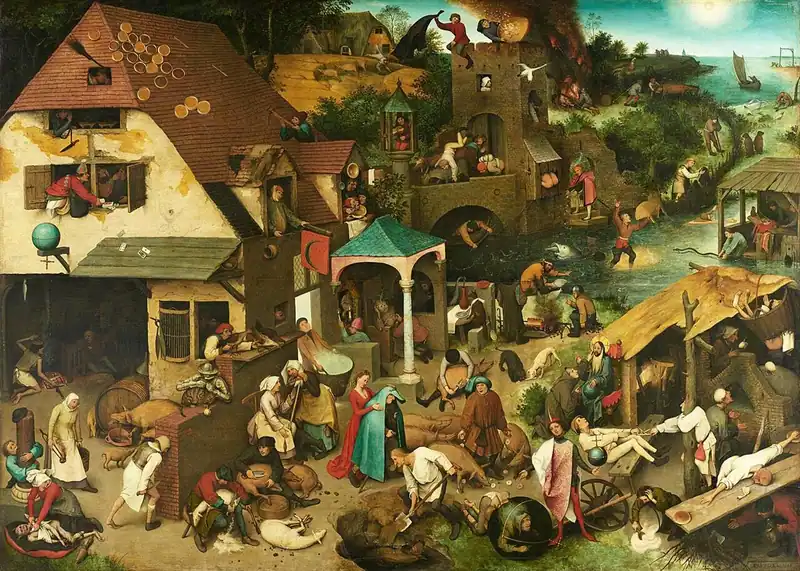
Tip: move over the painting to use the lens.
Netherlandish Proverbs
Pieter Bruegel the Elder · 1559
Proverbs of life or death? What's the price of wisdom?
- Artist
- Pieter Bruegel the Elder
- Date
- 1559
- Where to see it
- Gemäldegalerie Berlin
Gemäldegalerie Berlin · Public domain · image via Wikimedia Commons · see it at the museum ↗
Updated 13 October 2026 · how we write
The story
The scene is a commentary on life, with characters offering literal interpretations of sayings. The painting is a masterpiece of the Dutch and Flemish Renaissance painting.
The work features a vast array of characters, from humans and animals to objects, all conveying the wisdom and wit of the proverbs. The painting is a testament to Bruegel's skill in capturing the essence of everyday life, as well as his ability to convey complex ideas through simple, yet powerful, imagery.
Netherlandish Proverbs is a significant work in the oeuvre of Pieter Bruegel the Elder, a pioneer in presenting landscapes and peasant scenes as large paintings. His works have inspired artists across the centuries, including those in the literary and cinematic arts.
Our perspective
Our own reading of the picture - an opinion, not a fact.
Standing in front of Netherlandish Proverbs, you can't help but feel like you're eavesdropping on a conversation between the characters. It's as if they're sharing their wisdom and wit with you, inviting you to join in the discussion. The painting asks us to consider the value we place on wisdom and the price we're willing to pay for it.
This painting is a reminder that wisdom is not just about knowledge, but also about perspective. It encourages us to look beyond the surface level and consider the complexities of life. As we gaze upon the scene, we're prompted to reflect on our own values and priorities.
Slow Look
- the central figure of the woman Notice the gentle, knowing smile on her face as she holds the scales of justice.
- the animals in the background Observe how the animals seem to be going about their daily routines, oblivious to the wisdom being shared in the foreground.
- the characters in the top-left corner Take a closer look at the figures gathered around the tree, offering a glimpse into the world of everyday life.
- the objects and symbols Notice the objects and symbols scattered throughout the painting, each one adding to the rich tapestry of meaning.
- the woman's hands Study the woman's hands, holding the scales of justice, as if weighing the value of wisdom itself.
About Pieter Brueghel the Elder
Pieter Bruegel the Elder was among the most significant artists of Dutch and Flemish Renaissance painting, a painter and printmaker, known for his landscapes and peasant scenes ; he was a pioneer in presenting both types of subject as large paintings. In the 20th and 21st centuries, Bruegel works including Landscape with the Fall of Icarus and The Hunters in the Snow (1565) have inspired artists in both the literary arts and in cinema.
Text adapted from Wikipedia, Pieter Brueghel the Elder, licensed CC BY-SA 4.0.
Questions about Netherlandish Proverbs
What is the story behind Netherlandish Proverbs?
The scene is a commentary on life, with characters offering literal interpretations of sayings. The painting is a masterpiece of the Dutch and Flemish Renaissance painting.
Who painted Netherlandish Proverbs?
The artist of Netherlandish Proverbs is Pieter Bruegel the Elder.
When was Netherlandish Proverbs painted?
Netherlandish Proverbs is dated 1559.
Where is Netherlandish Proverbs today?
You can see it at Gemäldegalerie Berlin, which holds it in its collection.
What is the significance of the woman holding the scales of justice in Netherlandish Proverbs?
The woman holds the scales of justice, weighing the value of wisdom itself.
What is the importance of the objects and symbols in Netherlandish Proverbs?
The objects and symbols scattered throughout the painting add to the rich tapestry of meaning.
What themes appear in Pieter Bruegel the Elder's paintings, including Netherlandish Proverbs?
The themes of absurdity, wickedness, and foolishness appear in Pieter Bruegel the Elder's paintings, including Netherlandish Proverbs.
Keep reading
- The Hunters in the Snow Pieter Bruegel the ElderAlso by Pieter Bruegel the Elder
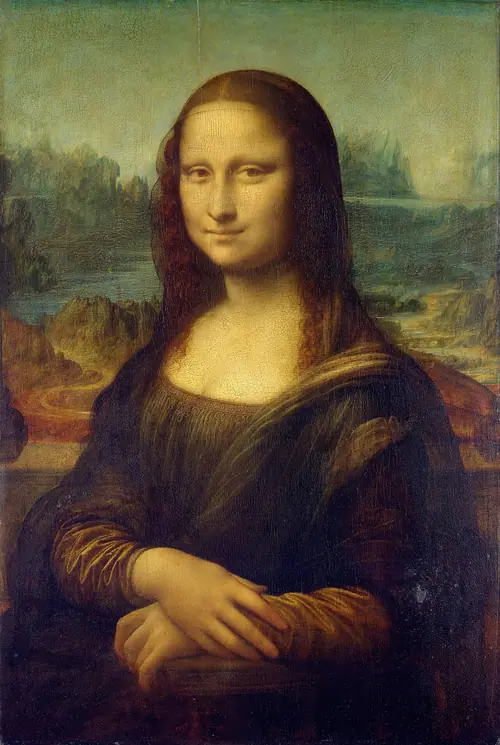
- Mona Lisa Leonardo da VinciShared themes: contemplative, painting, renaissance
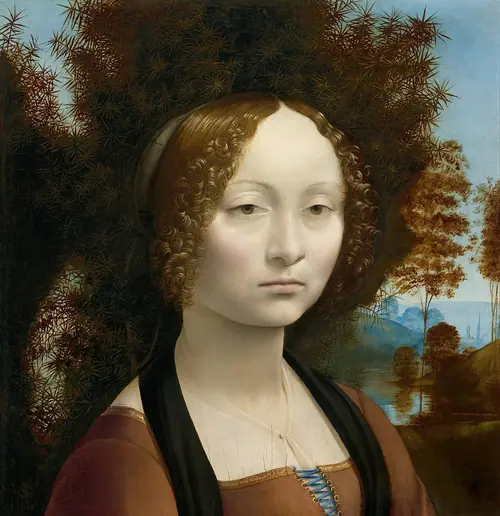
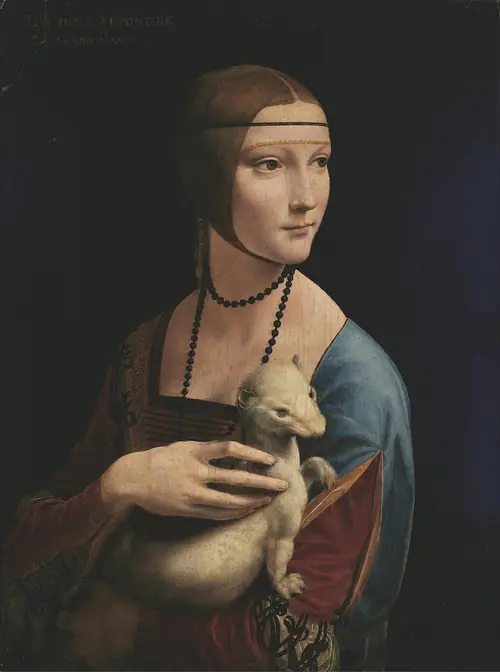
- Lady with an Ermine Leonardo da VinciShared themes: contemplative, renaissance
What do you see?
Stand in front of it for a moment. Then tell us what you noticed or felt - there are no wrong answers.
Be the first to share a thought.
More by Pieter Bruegel the Elder
If you like this, stand in front of these