Inside the Canvas
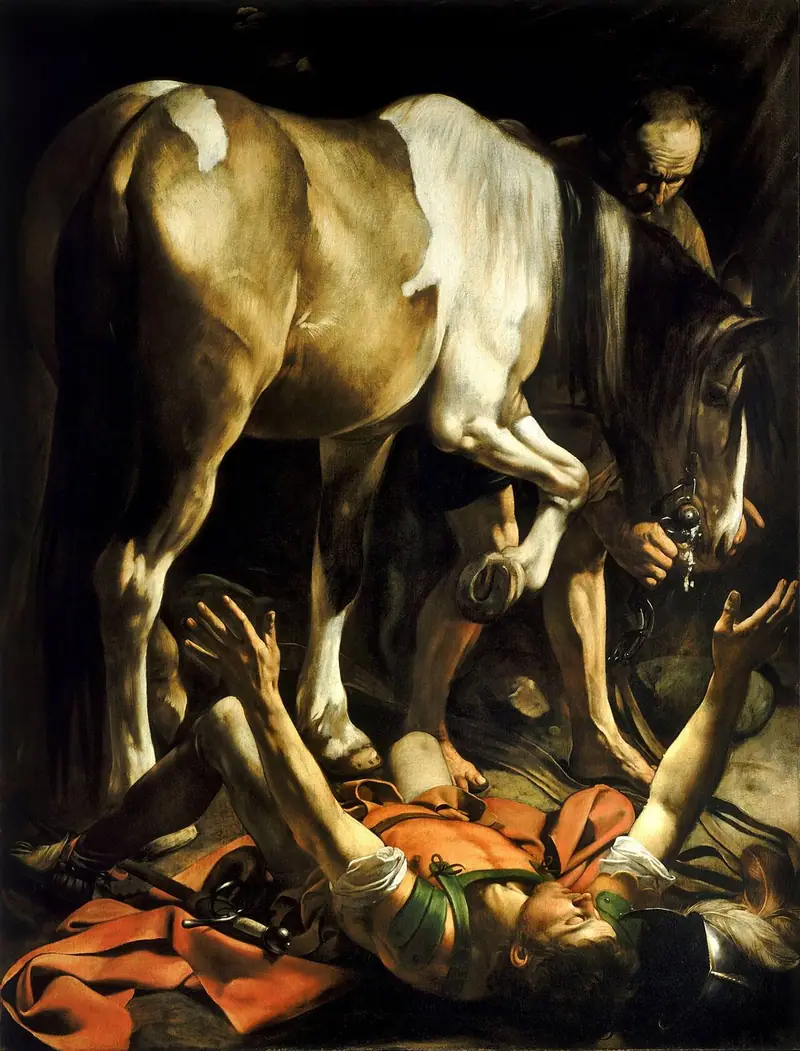
Tip: move over the painting to use the lens.
Conversion on the Way to Damascus
Caravaggio · 1600
Witness a dramatic moment of conversion, 1600-style!
- Artist
- Caravaggio
- Date
- 1600
- Where to see it
- Santa Maria del Popolo
Santa Maria del Popolo · Public domain · image via Wikimedia Commons · see it at the museum ↗
Updated 13 October 2026 · how we write
The story
This work shares a wall with another Caravaggio, the Crucifixion of Saint Peter.
The painting was commissioned for the Cerasi Chapel, where it remains today. Caravaggio's time in Rome was a significant part of his artistic life.
Our perspective
Our own reading of the picture - an opinion, not a fact.
As you stand in front of this painting, you can't help but feel a sense of drama and tension. It's as if you're witnessing a crucial moment in the life of Saint Paul. You might find yourself asking, what would I do if I were in his shoes?
This painting also invites us to consider the significance of conversion in our own lives. How have we had our own moments of revelation, and how have they changed us?
Slow Look
- Paul's figure Notice how his body language conveys a sense of shock and surrender.
- The horse See how the horse's movement creates a sense of energy and momentum.
- The angel Notice the gentle touch of the angel on Paul's shoulder.
- The dark background Feel the sense of mystery and intimacy that the dark background creates.
- The light source See how the light source seems to emanate from the angel, highlighting the importance of this divine intervention.
About Caravaggio
Caravaggio (1571-1610), born Michelangelo Merisi, trained in Milan from 1584 and had settled in Rome by the early 1590s. He used ordinary people as models, even for saints, and lit them with sharp light against deep shadow, a style later called tenebrism. His last years took him to Naples, Malta and Sicily, and he died at 38. Painters across Europe copied his drama and realism, and the followers became known as the Caravaggisti, which made him a key figure at the start of Baroque art.
Questions about Conversion on the Way to Damascus
What should I know about Conversion on the Way to Damascus?
This work shares a wall with another Caravaggio, the Crucifixion of Saint Peter.
Who painted Conversion on the Way to Damascus?
The artist of Conversion on the Way to Damascus is Caravaggio.
When was Conversion on the Way to Damascus painted?
Conversion on the Way to Damascus is dated 1600.
Where can I see Conversion on the Way to Damascus?
You can see it at Santa Maria del Popolo, which holds it in its collection.
What is the significance of the angel in the painting Conversion on the Way to Damascus?
In this first version (around 1600-01), an angel helps support Christ as he appears to Paul, making the vision feel physical and dramatic.
Why is the dark background used in Conversion on the Way to Damascus?
The dark background creates a sense of mystery and intimacy.
Keep reading
- Mona Lisa Leonardo da VinciShared themes: mysterious
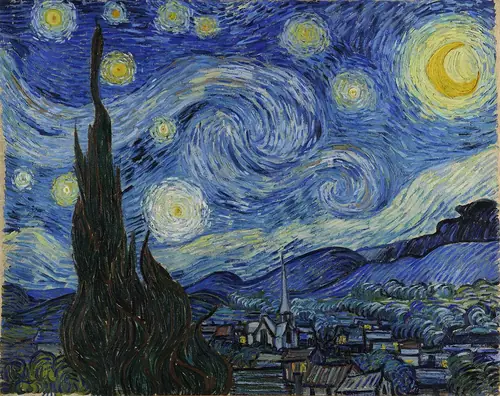
- The Starry Night Vincent van GoghShared themes: drama
- The Night Watch RembrandtShared themes: drama
What do you see?
Stand in front of it for a moment. Then tell us what you noticed or felt - there are no wrong answers.
Be the first to share a thought.
More by Caravaggio
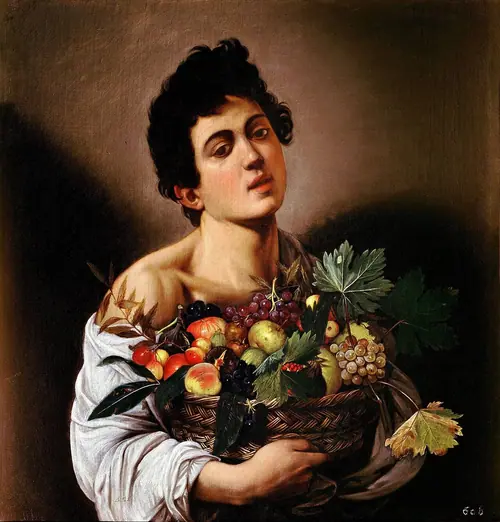
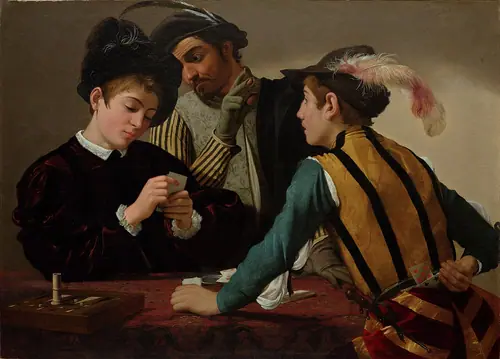
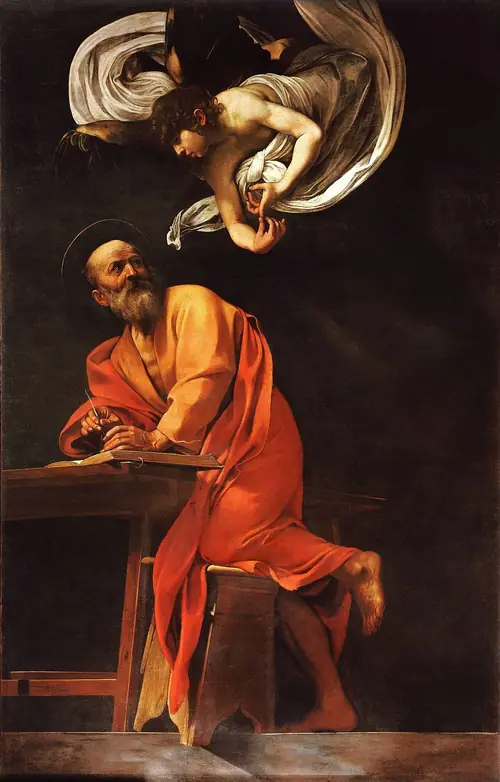
If you like this, stand in front of these