Inside the Canvas
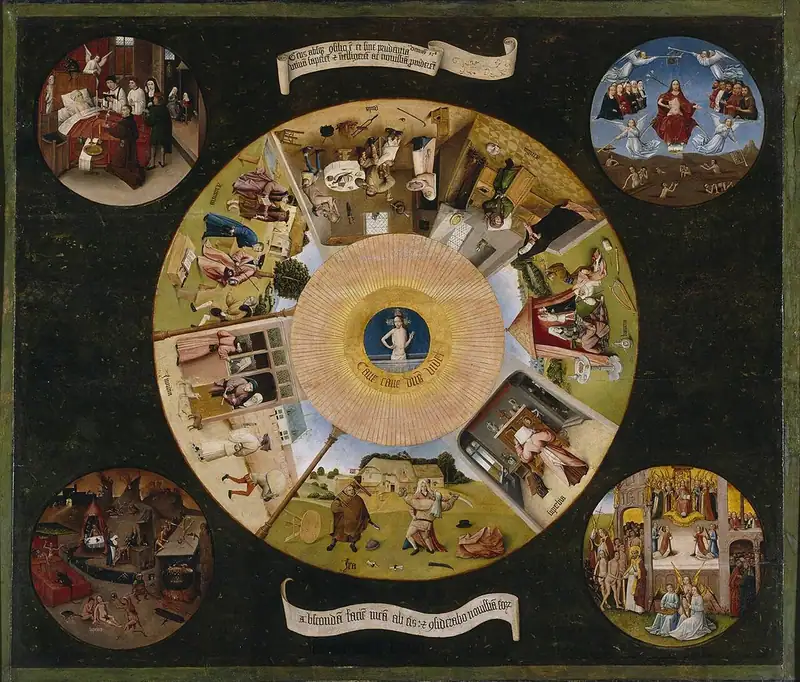
Tip: move over the painting to use the lens.
The Seven Deadly Sins and the Four Last Things
Hieronymus Bosch · 1500
Is this Bosch's masterpiece or a clever imitation?
- Artist
- Hieronymus Bosch
- Date
- 1500
- Where to see it
- Museo del Prado
Museo del Prado · Public domain · image via Wikimedia Commons · see it at the museum ↗
Updated 13 October 2026 · how we write
The story
A mysterious painting, attributed to the legendary Hieronymus Bosch, sits in the Museo del Prado. Its authenticity has been questioned multiple times, but what's undeniable is the artist's unique style.
The painting is an oil on wooden panel, presenting a vivid and detailed world.
The painting's exact origin remains a mystery, adding to its allure.
Our perspective
Our own reading of the picture - an opinion, not a fact.
As you stand before the painting, you're transported to a world of moral dilemmas and existential questions. It's as if Bosch is asking you to reflect on your own life choices and the consequences that follow.
Perhaps the painting is a commentary on the human condition, encouraging us to confront our darkest fears and desires. Or maybe it's simply a fantastical exploration of the unknown.
Slow Look
- the central image Notice the intricate details and symbolism woven throughout the painting.
- the creatures in the corners Feel the sense of unease as you take in the strange and fantastical creatures that populate the edges of the painting.
- the circular format Marvel at the artist's use of circular images to represent the cyclical nature of life and death.
- the colors and textures Observe the rich colors and textures that bring the painting to life, inviting you to step into its world.
- the smallest details Discover the hidden secrets and symbols that reward close attention and slow contemplation.
About Hieronymus Bosch
Hieronymus Bosch was a Dutch painter from Brabant. He is one of the most notable representatives of the Early Netherlandish painting school. His work, generally oil on oak wood, mainly contains fantastic illustrations of religious concepts and narratives. Within his lifetime, his work was collected in the Netherlands, Austria, and Spain, and widely copied, especially his macabre and nightmarish depictions of hell.
Text adapted from Wikipedia, Hieronymus Bosch, licensed CC BY-SA 4.0.
Questions about The Seven Deadly Sins and the Four Last Things
What is the story behind The Seven Deadly Sins and the Four Last Things?
A mysterious painting, attributed to the legendary Hieronymus Bosch, sits in the Museo del Prado. Its authenticity has been questioned multiple times, but what's undeniable is the artist's unique style.
Which artist painted The Seven Deadly Sins and the Four Last Things?
The Seven Deadly Sins and the Four Last Things was painted by Hieronymus Bosch.
When was The Seven Deadly Sins and the Four Last Things painted?
Hieronymus Bosch's The Seven Deadly Sins and the Four Last Things is dated 1500 in the museum record.
Where is The Seven Deadly Sins and the Four Last Things today?
The Seven Deadly Sins and the Four Last Things is held by Museo del Prado.
What is the central image of the painting The Seven Deadly Sins and the Four Last Things by Hieronymus Bosch?
The central image is a large circle representing the eye of God, with Christ emerging from his tomb.
Keep reading
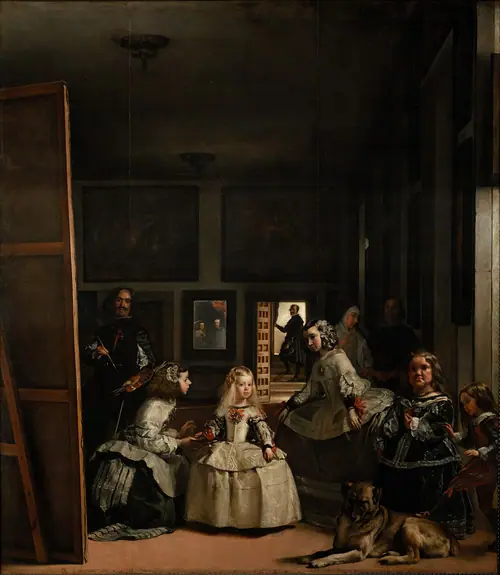
- Las Meninas Diego VelázquezAlso at Museo del Prado
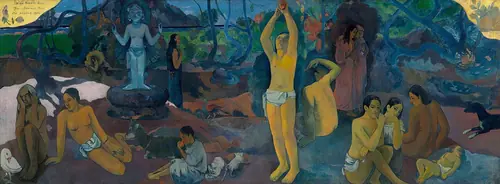
- Where Do We Come From? What Are We? Where Are We Going? Paul GauguinShared themes: intriguing, symbolism
- Mona Lisa Leonardo da VinciShared themes: intriguing
What do you see?
Stand in front of it for a moment. Then tell us what you noticed or felt - there are no wrong answers.
Be the first to share a thought.
More by Hieronymus Bosch
If you like this, stand in front of these