 Inside the Canvas
Pierre-Auguste Renoir
French painter and sculptor (1841–1919)
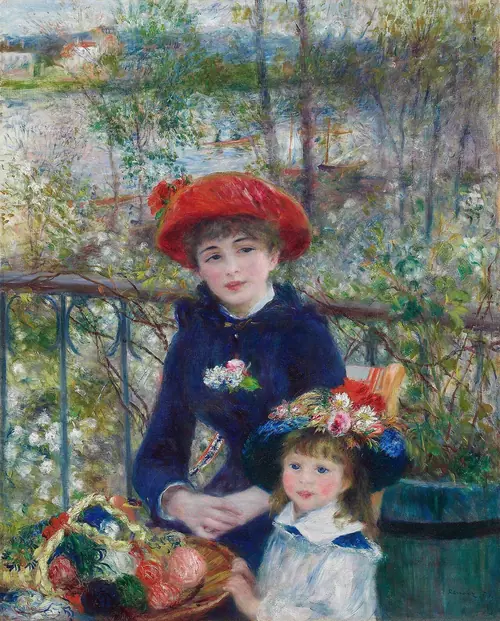
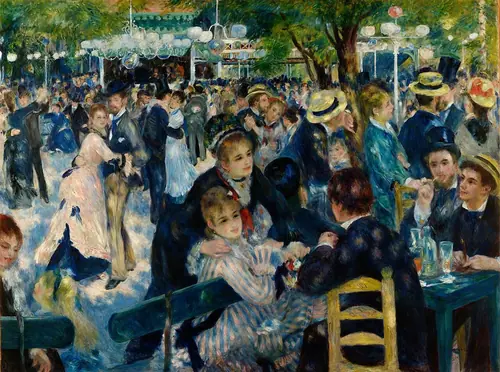
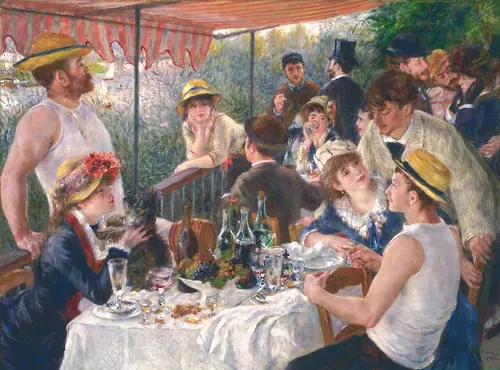
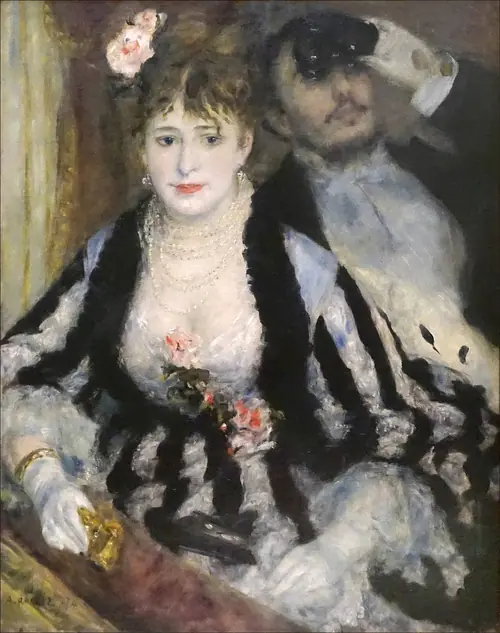
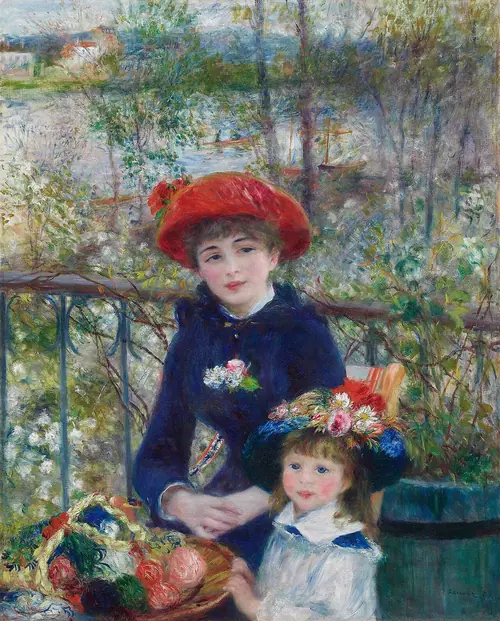
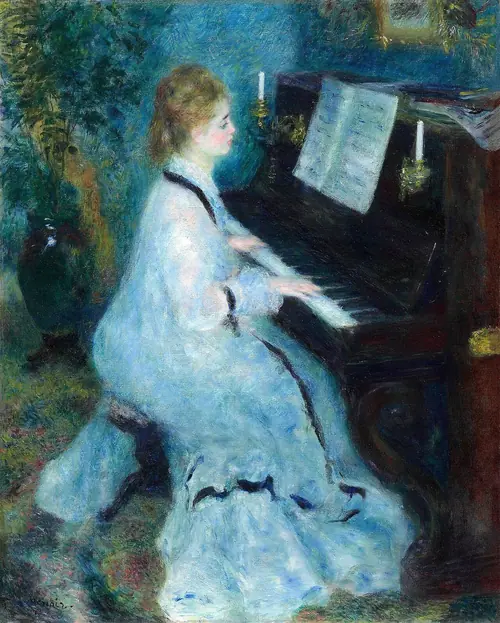
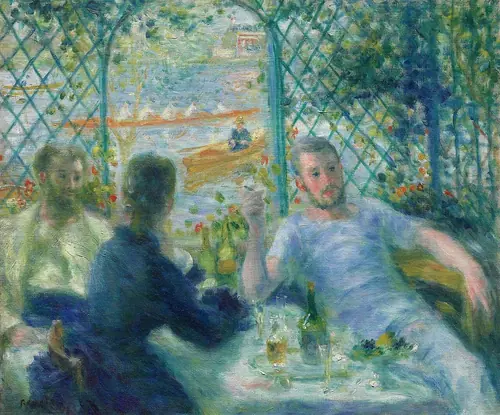
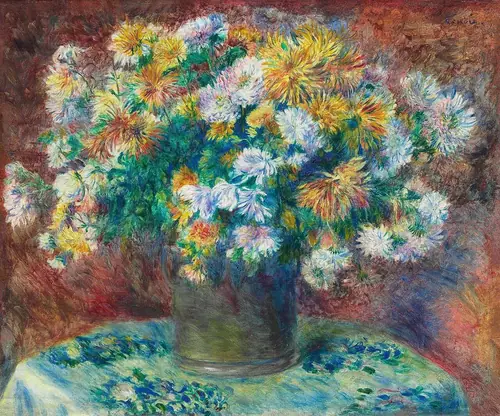
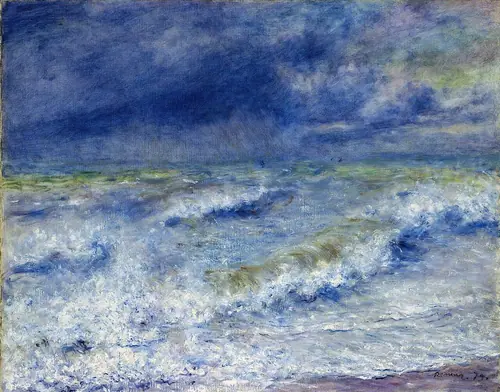
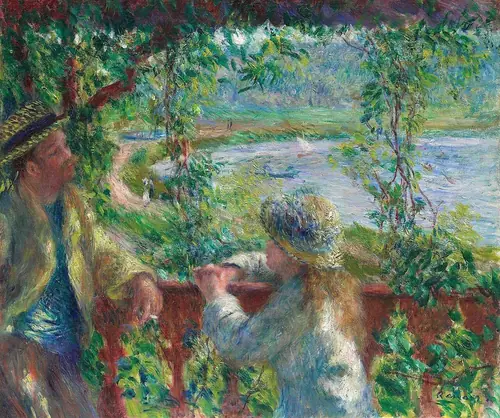
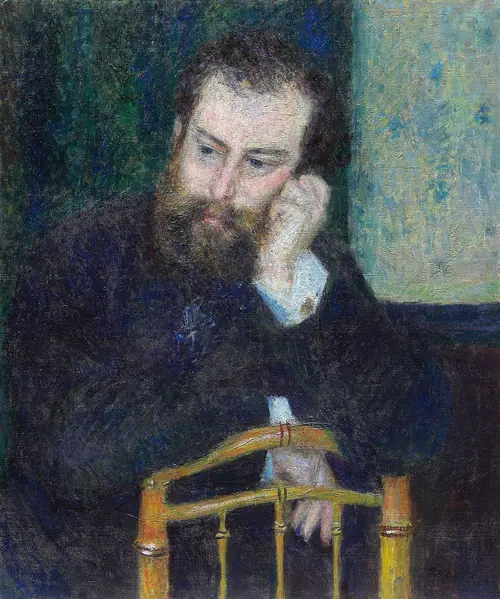
Pierre-Auguste Renoir (1841-1919) began as a teenage painter of porcelain in Paris before training as an artist. With his friend Claude Monet he helped create Impressionism, painting side by side at La Grenouillere in 1869. He loved people, light and pleasure: his Bal du moulin de la Galette (1876) and Luncheon of the Boating Party (1880-81) capture Parisians dancing, talking and eating in dappled sunlight. In old age, despite severe arthritis, he kept painting soft, warm figures and flowers until his death in 1919.
Works in our gallery (16)
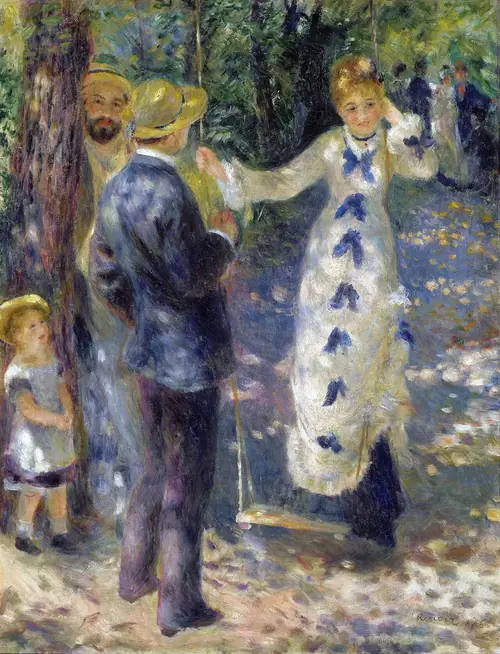
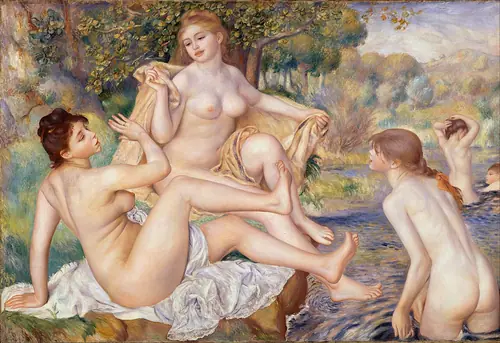
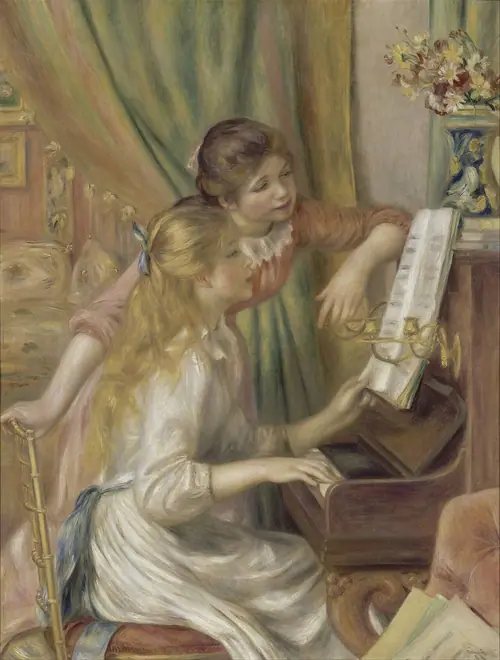
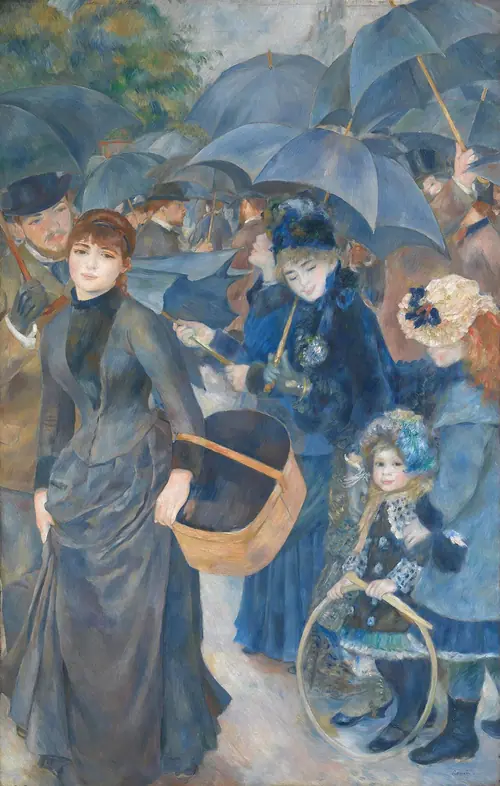
Questions about Pierre-Auguste Renoir
What should I know about Pierre-Auguste Renoir?
Pierre-Auguste Renoir was a leading French Impressionist artist. In his depiction of feminine beauty, Renoir has been described as "the final representative of a tradition which runs directly from Rubens to Watteau."
How many Pierre-Auguste Renoir works can I see here?
Our gallery shows 16 works by Pierre-Auguste Renoir.
Which works by Pierre-Auguste Renoir have a full story here?
Full stories so far: Luncheon of the Boating Party, Girls at the Piano.
Where can I see works by Pierre-Auguste Renoir?
The works by Pierre-Auguste Renoir on our walls are held by Art Institute of Chicago, Musée d'Orsay, The Phillips Collection, Philadelphia Museum of Art, Hugh Lane Gallery.
What years do the Pierre-Auguste Renoir works here come from?
The works by Pierre-Auguste Renoir in our gallery are dated between 1874 and 1892.
Does Pierre-Auguste Renoir have a painting called Water Lilies?
No. Water Lilies is a famous series by Claude Monet, Renoir's friend. Renoir is best known for lively scenes such as Luncheon of the Boating Party.
What is Pierre-Auguste Renoir's most famous painting besides Luncheon of the Boating Party?
Bal du moulin de la Galette (1876), a sunny outdoor dance scene in Montmartre, now in the Musee d'Orsay in Paris.
What style of art is Pierre-Auguste Renoir associated with?
Pierre-Auguste Renoir is associated with Impressionism.